
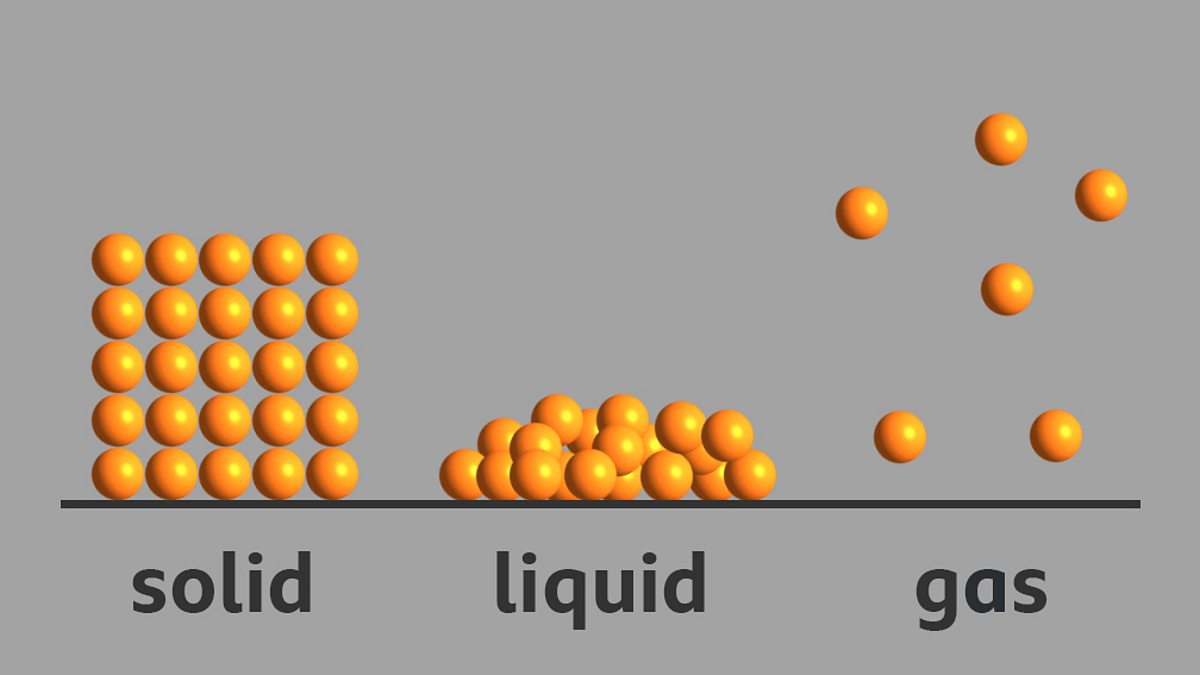
Unit 1: The particle model of matter Unit 2: Atoms, elements and compounds Unit 3: Pure and impure substances Unit 4: Chemical reactions Unit 5: Acids and alkalis Unit 6: Periodic table Unit 7: The reactivity series Unit 8: Materials Unit 9: The Earth and atmosphere Unit 10: Working scientifically Unit 11: Crude oil and fuels Unit 12: How science works
Mungkin Anda Juga Suka
Kids Songs by CoComelon
Learn Colors with CoComelon!
Year1 English
CoComelon & Friends Holiday and Christmas Videos for Kids | Little Baby Bum | Go Buster and More!
CoComelon
CocoMelon | Little Baby Bum | Blippi - Nursery Rhymes & Kids TV Shows
Learn English With Disney Movies
CoComelon - Happy Holidays
Year7 Chemistry
SSS10 Chemistry
Electrochemistry
Quantitative Aspects of Chemical Change grade 11
🧪3️⃣ structure d'un atome (cours et exercices)
Primary 1 English
Alphabet (ABC) Songs by CoComelon
SS 1 Mathematics
SS 2 Chemistry
SS 3 Chemistry
KS3 Chemistry
Year 10 Chemistry
Baby Learning with CoComelon - Colors, Shapes and Numbers!
Test Your English with TV Series and Movies
Shapes, Colors, & Music by CoComelon
BEST SONGS for TODDLERS 👶🎵 (1 to 3 year olds)
Komentar
10 Komentar
Rocks are constantly due to different processes. This means rock types are changing between the three different rock types over millions of years. This is called the rock cycle.
The Earth has a layered structure made up of the crust, the mantle, the outer core and the inner core. These layers each have different structures and properties.
Find out all about carbon dioxide
A visual explanation of methane.
The air in the atmosphere is a mixture of gases. Most of the atmosphere is nitrogen (80%) with around 20% oxygen and other trace gases.
Human activities use resources from the Earth. Many of these resources are finite, they will eventually run out.
Many human activities release polluting gases into the atmosphere, such as farming animals for food, burning fossil fuels and deforestation.
Composite materials are made from two or more different types of material by a chemical process.
Polymers can be natural or synthetic. Synthetic polymers are known as plastics.
A metal higher up in the reactivity series will displace a less reactive metal from its compound. These displacement reactions can be predicted from the reactivity series.