
Unit 2: Algorithms Unit 3: Programming Unit 4: Data representation
آپ کو یہ بھی پسند آ سکتا ہے
Best Kids Songs, Nursery Rhymes, and Cartoon for Kids! | BabyBus
Mighty Little Bheem | Netflix Jr.
Happy Holidays from Netflix Jr!
Letters and Letter Sounds
Yes Yes Songs! CoComelon Nursery Rhymes Mix
Play CoComelon on YouTube!
Introduction to Artificial Intelligence (AI)
Alphabet ABC Phonics Series (From A to Z) in HD
English Learning Videos!
Programming with JavaScript
Diana and Roma (EN)
CoComelon Christmas Countdown | Holiday Songs & Winter Fun for Kids!
Bebefinn
Zoobees Cartoon Nursery Rhymes for Kids & Videos for Toddlers
Songs & Music Videos for Kids 🎶 Netflix Jr
Addition and Subtraction
CoComelon Lane Season 2! New Netflix Kids Show!
Baby Songs with Baby John by Little Angel
ABC | lower case alphabet playlist
Hare. Masha and The Bear
Learn Colors with CoComelon!
Early Education
KPop Demon Hunters Song
Tamil Rhymes & Cartoons
تبصرے
6 تبصرے
Computers use binary to process data. There are simple techniques to convert between binary and denary and to add two binary numbers together.
When designing programs, there may be some instructions that need repeating. This is known as iteration, and is implemented in programming using FOR and WHILE statements.
When designing programs, there are often points where a decision must be made. This decision is known as selection, and is implemented in programming using IF statements.
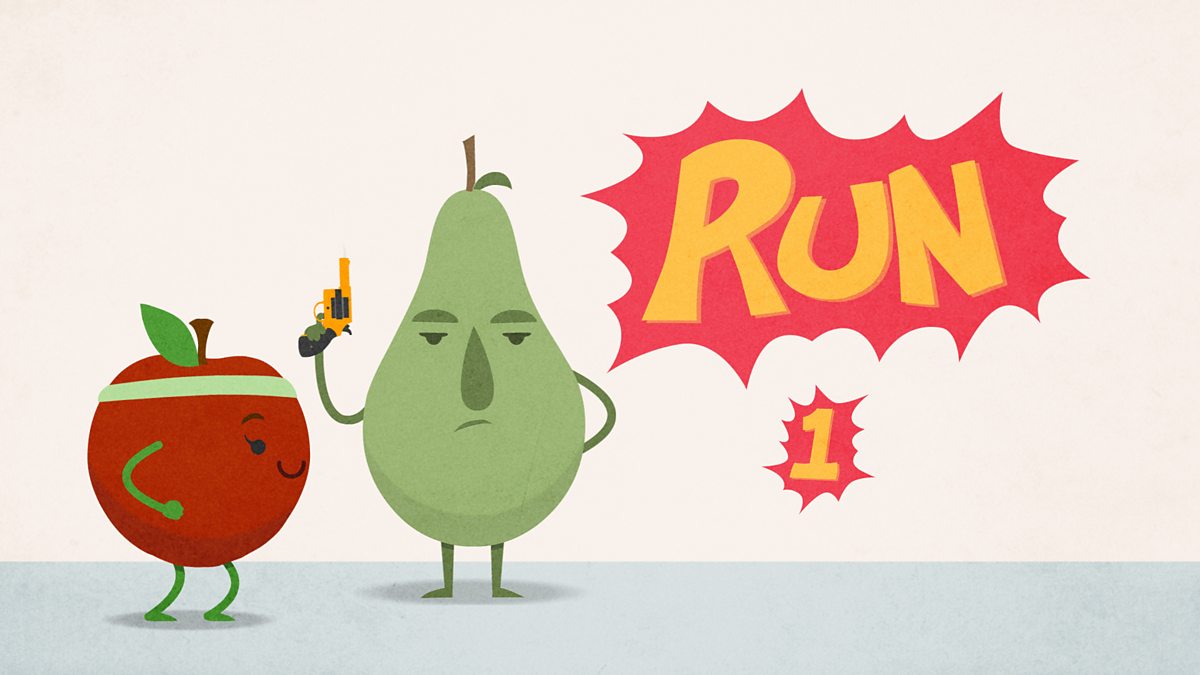
When designing algorithms, there may be some steps that need repeating. This is known as iteration, and can be displayed in pseudocode or flowcharts.
When designing algorithms, there are many steps where decisions must be made. This decision is known as selection, and can be displayed in pseudocode or flowcharts.
When designing algorithms, it is important to make sure that all the steps are presented in the correct order. This is known as sequencing, and can be displayed in pseudocode or flowcharts.