
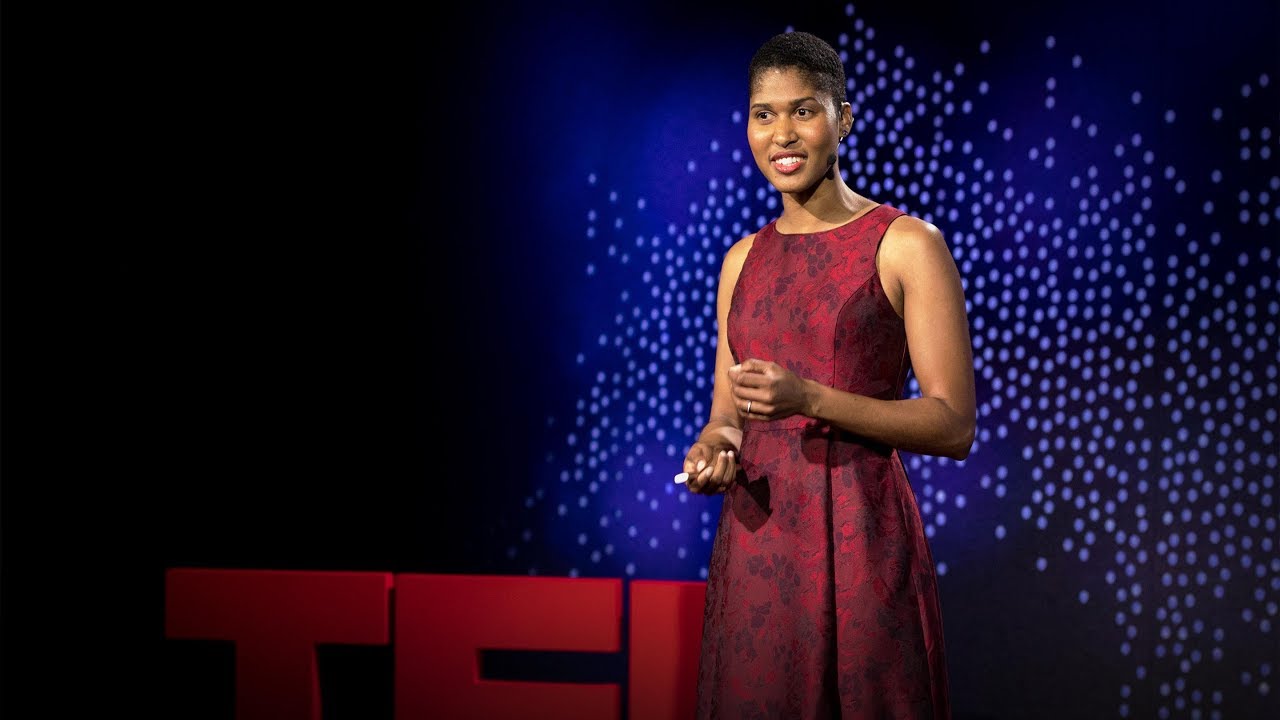
Sure, we're looking beyond the planet to other worlds we may one day inhabit — but a lot of this technology we've developed can be used for the good of the Earth, too.
آپ کو یہ بھی پسند آ سکتا ہے
Kids Songs by CoComelon
CoComelon
Learn English With Disney Movies
The Original CoComelon Alphabet Series
Masha and the Bear 📱 Shorts!
ABC Songs for Kids - CoComelon Nursery Rhymes
English lessons for kids - My English teacher
English Fairy Tales @EnglishFairyTales
Learn Colors with CoComelon!
Year1 English
CoComelon & Friends Holiday and Christmas Videos for Kids | Little Baby Bum | Go Buster and More!
Let's learn about.... English Vocabulary for Kids
BEST SONGS for TODDLERS 👶🎵 (1 to 3 year olds)
BEST of CoComelon Bath Song + Wheels on the Bus
Best Kids Songs, Nursery Rhymes, and Cartoon for Kids! | BabyBus
Test Your English with TV Series and Movies
Family Fun by CoComelon
CoComelon Lane | NEW Netflix Kids Show
ABC Jamboree by StoryBots
Kids Songs & Nursery Rhymes | CoComelon, Blippi & Little Angel
Bengali Kids Cartoon Videos
Mighty Little Bheem | Netflix Jr.
Princess Songs and Nursery Rhymes for Babies - CoComelon Kids Songs
Counting & Numbers Songs by CoComelon
تبصرے
10 تبصرے
The James Webb Space Telescope is a miracle of modern science and engineering. With a 21-foot, gold-coated mirror protected by a sunshield that's the size of a tennis court, it's the world's most powerful telescope and humanity's latest attempt to answer questions like: "Where did we come from?" and "Are we alone?" (It also needed to be folded up like origami in order to launch into space.) Nobel Laureate John C. Mather, the leader of the team at NASA that built the Webb, explains how the telescope will observe the first galaxies to form in the early universe, peer behind clouds of cosmic dust and gas to reveal stars being born and uncover new details about places like Europa and Titan, which could harbor life. "We're going to get a great surprise from this telescope," Mather says. If you love watching TED Talks like this one, become a TED Member to support our mission of spreading ideas: http://ted.com/membership Follow TED! Twitter: http://twitter.com/TEDTalks Instagram: https://w
The James Webb Space Telescope is a miracle of modern science and engineering. With a 21-foot, gold-coated mirror protected by a sunshield that's the size of a tennis court, it's the world's most powerful telescope and humanity's latest attempt to answer questions like: "Where did we come from?" and "Are we alone?" (It also needed to be folded up like origami in order to launch into space.) Nobel Laureate John C. Mather, the leader of the team at NASA that built the Webb, explains how the telescope will observe the first galaxies to form in the early universe, peer behind clouds of cosmic dust and gas to reveal stars being born and uncover new details about places like Europa and Titan, which could harbor life. "We're going to get a great surprise from this telescope," Mather says. If you love watching TED Talks like this one, become a TED Member to support our mission of spreading ideas: http://ted.com/membership Follow TED! Twitter: http://twitter.com/TEDTalks Instagram: https://w
The James Webb Space Telescope is a miracle of modern science and engineering. With a 21-foot, gold-coated mirror protected by a sunshield that's the size of a tennis court, it's the world's most powerful telescope and humanity's latest attempt to answer questions like: "Where did we come from?" and "Are we alone?" (It also needed to be folded up like origami in order to launch into space.) Nobel Laureate John C. Mather, the leader of the team at NASA that built the Webb, explains how the telescope will observe the first galaxies to form in the early universe, peer behind clouds of cosmic dust and gas to reveal stars being born and uncover new details about places like Europa and Titan, which could harbor life. "We're going to get a great surprise from this telescope," Mather says. If you love watching TED Talks like this one, become a TED Member to support our mission of spreading ideas: http://ted.com/membership Follow TED! Twitter: http://twitter.com/TEDTalks Instagram: https://w
The James Webb Space Telescope is a miracle of modern science and engineering. With a 21-foot, gold-coated mirror protected by a sunshield that's the size of a tennis court, it's the world's most powerful telescope and humanity's latest attempt to answer questions like: "Where did we come from?" and "Are we alone?" (It also needed to be folded up like origami in order to launch into space.) Nobel Laureate John C. Mather, the leader of the team at NASA that built the Webb, explains how the telescope will observe the first galaxies to form in the early universe, peer behind clouds of cosmic dust and gas to reveal stars being born and uncover new details about places like Europa and Titan, which could harbor life. "We're going to get a great surprise from this telescope," Mather says. If you love watching TED Talks like this one, become a TED Member to support our mission of spreading ideas: http://ted.com/membership Follow TED! Twitter: http://twitter.com/TEDTalks Instagram: https://w
Satellite imaging has revolutionized our knowledge of the Earth, with detailed images of nearly every street corner readily available online. But Planet Labs' Will Marshall says we can do better and go faster — by getting smaller. He introduces his tiny satellites — no bigger than 10 by 10 by 30 centimeters — that, when launched in a cluster, provide high-res images of the entire planet, updated daily. TEDTalks is a daily video podcast of the best talks and performances from the TED Conference, where the world's leading thinkers and doers give the talk of their lives in 18 minutes (or less). Look for talks on Technology, Entertainment and Design -- plus science, business, global issues, the arts and much more. Find closed captions and translated subtitles in many languages at http://www.ted.com/translate Follow TED news on Twitter: http://www.twitter.com/tednews Like TED on Facebook: https://www.facebook.com/TED Subscribe to our channel: http://www.youtube.com/user/TEDtalksDirector
Satellite imaging has revolutionized our knowledge of the Earth, with detailed images of nearly every street corner readily available online. But Planet Labs' Will Marshall says we can do better and go faster — by getting smaller. He introduces his tiny satellites — no bigger than 10 by 10 by 30 centimeters — that, when launched in a cluster, provide high-res images of the entire planet, updated daily. TEDTalks is a daily video podcast of the best talks and performances from the TED Conference, where the world's leading thinkers and doers give the talk of their lives in 18 minutes (or less). Look for talks on Technology, Entertainment and Design -- plus science, business, global issues, the arts and much more. Find closed captions and translated subtitles in many languages at http://www.ted.com/translate Follow TED news on Twitter: http://www.twitter.com/tednews Like TED on Facebook: https://www.facebook.com/TED Subscribe to our channel: http://www.youtube.com/user/TEDtalksDirector
http://www.ted.com In this short talk, TED Fellow Sarah Parcak introduces the field of "space archeology" -- using satellite images to search for clues to the lost sites of past civilizations. TEDTalks is a daily video podcast of the best talks and performances from the TED Conference, where the world's leading thinkers and doers give the talk of their lives in 18 minutes. Featured speakers have included Al Gore on climate change, Philippe Starck on design, Jill Bolte Taylor on observing her own stroke, Nicholas Negroponte on One Laptop per Child, Jane Goodall on chimpanzees, Bill Gates on malaria and mosquitoes, Pattie Maes on the "Sixth Sense" wearable tech, and "Lost" producer JJ Abrams on the allure of mystery. TED stands for Technology, Entertainment, Design, and TEDTalks cover these topics as well as science, business, development and the arts. Closed captions and translated subtitles in a variety of languages are now available on TED.com, at http://www.ted.com/translate If you
http://www.ted.com In this short talk, TED Fellow Sarah Parcak introduces the field of "space archeology" -- using satellite images to search for clues to the lost sites of past civilizations. TEDTalks is a daily video podcast of the best talks and performances from the TED Conference, where the world's leading thinkers and doers give the talk of their lives in 18 minutes. Featured speakers have included Al Gore on climate change, Philippe Starck on design, Jill Bolte Taylor on observing her own stroke, Nicholas Negroponte on One Laptop per Child, Jane Goodall on chimpanzees, Bill Gates on malaria and mosquitoes, Pattie Maes on the "Sixth Sense" wearable tech, and "Lost" producer JJ Abrams on the allure of mystery. TED stands for Technology, Entertainment, Design, and TEDTalks cover these topics as well as science, business, development and the arts. Closed captions and translated subtitles in a variety of languages are now available on TED.com, at http://www.ted.com/translate If you
http://www.ted.com In this short talk, TED Fellow Sarah Parcak introduces the field of "space archeology" -- using satellite images to search for clues to the lost sites of past civilizations. TEDTalks is a daily video podcast of the best talks and performances from the TED Conference, where the world's leading thinkers and doers give the talk of their lives in 18 minutes. Featured speakers have included Al Gore on climate change, Philippe Starck on design, Jill Bolte Taylor on observing her own stroke, Nicholas Negroponte on One Laptop per Child, Jane Goodall on chimpanzees, Bill Gates on malaria and mosquitoes, Pattie Maes on the "Sixth Sense" wearable tech, and "Lost" producer JJ Abrams on the allure of mystery. TED stands for Technology, Entertainment, Design, and TEDTalks cover these topics as well as science, business, development and the arts. Closed captions and translated subtitles in a variety of languages are now available on TED.com, at http://www.ted.com/translate If you
We're heading for a world population of 10 billion people -- but what will we all eat? Lisa Dyson rediscovered an idea developed by NASA in the 1960s for deep-space travel, and it could be the key to reinventing how we grow food. TEDTalks is a daily video podcast of the best talks and performances from the TED Conference, where the world's leading thinkers and doers give the talk of their lives in 18 minutes (or less). Look for talks on Technology, Entertainment and Design -- plus science, business, global issues, the arts and much more. Find closed captions and translated subtitles in many languages at http://www.ted.com/translate Follow TED news on Twitter: http://www.twitter.com/tednews Like TED on Facebook: https://www.facebook.com/TED Subscribe to our channel: http://www.youtube.com/user/TEDtalksDirector