
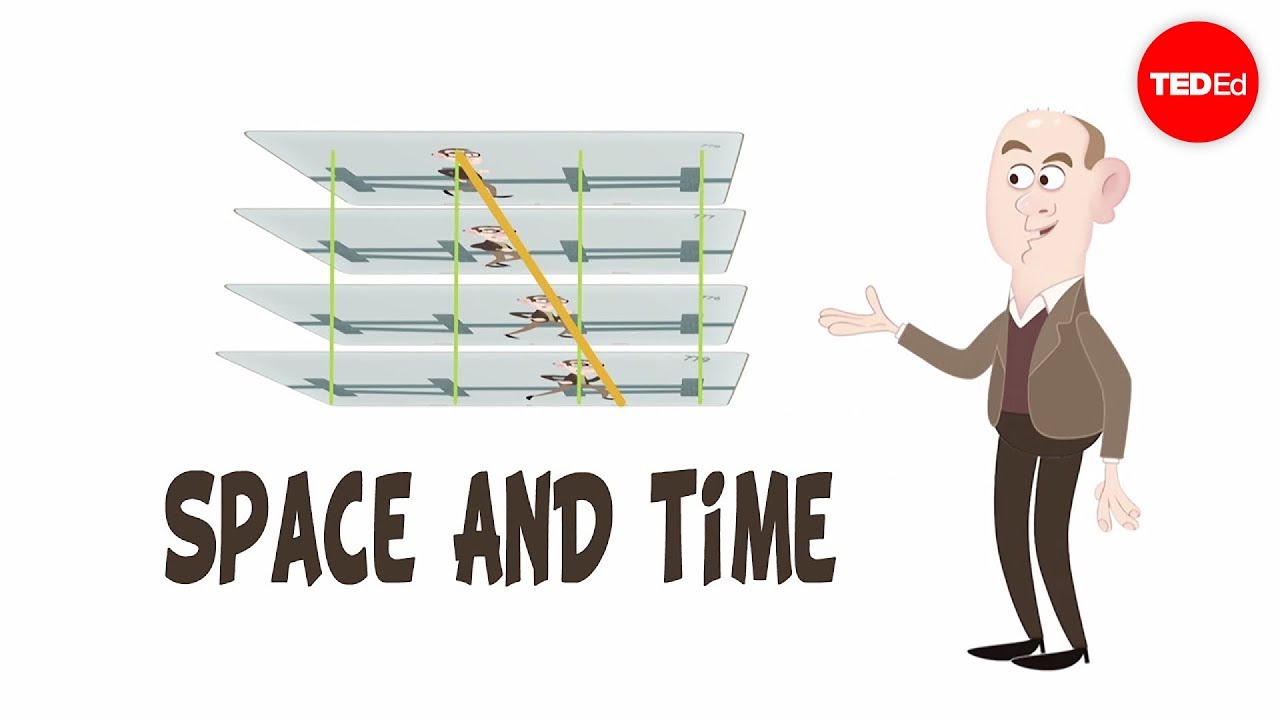
View full lesson: Space is where things happen. Time is when things happen. And sometimes, in order to really look at the universe, you need to take those two concepts and mash them together. In this first lesson of a three-part series on space-time, hilarious hosts Andrew Pontzen and Tom Whyntie go through the basics of space and time individually, and use a flip book to illustrate how we can begin to look at them together. Lesson by Andrew Pontzen and Tom Whyntie, animation by Giant Animation Studios.
Mungkin Anda Juga Suka
Primary 1 English
CocoMelon | Little Baby Bum | Blippi - Nursery Rhymes & Kids TV Shows
CoComelon - Happy Holidays
BabyBus | Learning Vehicles Song | Car Songs | Cars for Kids | Nursery Rhymes | Baby Cartoon
Nursery Rhymes by CoComelon
CoComelon Dance Party - Mix
Primary 4 English
Best Nursery Rhymes & Kids Songs - by BabyBus
Primary 4 Mathematics
Level 1 English | Little Fox
PrePrimary English
Year4 English
PrePrimary Maths
SS 1 Literature
JS 3 English
ABC Songs for Kids - CoComelon Nursery Rhymes
HTML and CSS in depth
Year2 English
Level 2 English | Little Fox
SEAS Videos
Sex Ed
ABC SONGS FOR KIDS - Learn with #Lingokids
Introduction to Software Engineering
CoComelon Lane | Netflix Jr
Komentar
8 Komentar
View full lesson: http://ed.ted.com/lessons/the-fundamentals-of-space-time-part-3-andrew-pontzen-and-tom-whyntie View part 1: http://ed.ted.com/lessons/the-fundamentals-of-space-time-part-1-andrew-pontzen-and-tom-whyntie View part 2: http://ed.ted.com/lessons/the-fundamentals-of-space-time-part-2-andrew-pontzen-and-tom-whyntie In the first two lessons of this series on space-time, we've dealt with objects moving at constant speeds, with straight world lines, in space-time. But what happens when you throw gravity into the mix? In this third and final lesson, CERN scientists Andrew Pontzen and Tom Whyntie explore what gravity means for space-time -- or rather, what space-time means for gravity. Lesson by Andrew Pontzen and Tom Whyntie, animation by Giant Animation Studios.
View full lesson: http://ed.ted.com/lessons/the-fundamentals-of-space-time-part-2-andrew-pontzen-and-tom-whyntie View part 1 here: http://ed.ted.com/lessons/the-fundamentals-of-space-time-part-1-andrew-pontzen-and-tom-whyntie Light always travels at a speed of 299,792,458 meters per second. But if you're in motion too, you're going to perceive it as traveling even faster -- which isn't possible! In this second installment of a three-part series on space-time, CERN scientists Andrew Pontzen and Tom Whyntie use a space-time diagram to analyze the sometimes confounding motion of light. Lesson by Andrew Pontzen and Tom Whyntie, animation by Giant Animation.
View full lesson: View part 1: View part 2: In the first two lessons of this series on space-time, we've dealt with objects moving at constant speeds, with straight world lines, in space-time. But what happens when you throw gravity into the mix? In this third and final lesson, CERN scientists Andrew Pontzen and Tom Whyntie explore what gravity means for space-time -- or rather, what space-time means for gravity. Lesson by Andrew Pontzen and Tom Whyntie, animation by Giant Animation Studios.
View full lesson: View part 1: View part 2: In the first two lessons of this series on space-time, we've dealt with objects moving at constant speeds, with straight world lines, in space-time. But what happens when you throw gravity into the mix? In this third and final lesson, CERN scientists Andrew Pontzen and Tom Whyntie explore what gravity means for space-time -- or rather, what space-time means for gravity. Lesson by Andrew Pontzen and Tom Whyntie, animation by Giant Animation Studios.
View full lesson: View part 1 here: Light always travels at a speed of 299,792,458 meters per second. But if you're in motion too, you're going to perceive it as traveling even faster -- which isn't possible! In this second installment of a three-part series on space-time, CERN scientists Andrew Pontzen and Tom Whyntie use a space-time diagram to analyze the sometimes confounding motion of light. Lesson by Andrew Pontzen and Tom Whyntie, animation by Giant Animation.
View full lesson: View part 1 here: Light always travels at a speed of 299,792,458 meters per second. But if you're in motion too, you're going to perceive it as traveling even faster -- which isn't possible! In this second installment of a three-part series on space-time, CERN scientists Andrew Pontzen and Tom Whyntie use a space-time diagram to analyze the sometimes confounding motion of light. Lesson by Andrew Pontzen and Tom Whyntie, animation by Giant Animation.
View full lesson: Space is where things happen. Time is when things happen. And sometimes, in order to really look at the universe, you need to take those two concepts and mash them together. In this first lesson of a three-part series on space-time, hilarious hosts Andrew Pontzen and Tom Whyntie go through the basics of space and time individually, and use a flip book to illustrate how we can begin to look at them together. Lesson by Andrew Pontzen and Tom Whyntie, animation by Giant Animation Studios.
View full lesson: Space is where things happen. Time is when things happen. And sometimes, in order to really look at the universe, you need to take those two concepts and mash them together. In this first lesson of a three-part series on space-time, hilarious hosts Andrew Pontzen and Tom Whyntie go through the basics of space and time individually, and use a flip book to illustrate how we can begin to look at them together. Lesson by Andrew Pontzen and Tom Whyntie, animation by Giant Animation Studios.