
Unit 1: Nutrition and health Unit 2: Shopping, storage and preparation
Mungkin Anda Juga Suka
Kids Songs by CoComelon
Learn English With Disney Movies
Learn Colors with CoComelon!
Year1 English
CoComelon
Alphabet (ABC) Songs by CoComelon
CocoMelon | Little Baby Bum | Blippi - Nursery Rhymes & Kids TV Shows
SS 2 Mathematics
GCSE English Language
GCSE Computer Science
GCSE French
GCSE Combined Science
Nursery Rhymes | Words & Sounds
JS 3 Mathematics
JS 1 Science & Technology
Learn English with Movies
CoComelon & Friends Holiday and Christmas Videos for Kids | Little Baby Bum | Go Buster and More!
Baby Learning with CoComelon - Colors, Shapes and Numbers!
Test Your English with TV Series and Movies
Shapes, Colors, & Music by CoComelon
BEST SONGS for TODDLERS 👶🎵 (1 to 3 year olds)
BEST of CoComelon Bath Song + Wheels on the Bus
Masha & the Bear
ABC Songs for Kids - CoComelon Nursery Rhymes
Komentar
10 Komentar
Food producers and sellers have to follow food safety laws, but after you purchase food it is your responsibility to keep it safe.
A look at the campylobacter, E. coli, listeria, salmonella and staphylococcus aureus bacteria that cause food poisoning, as well as the conditions that allow bacterial growth.
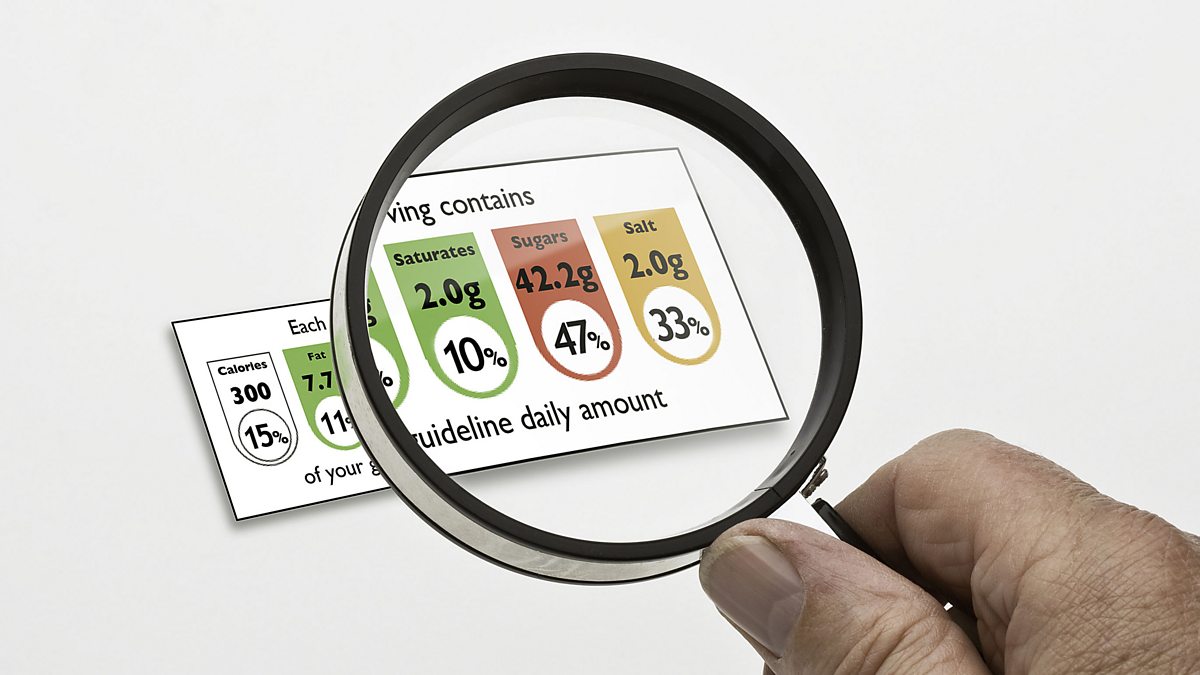
Food labels have both mandatory and voluntary information.
Various factors may influence your decision to purchase food products.
An effective consumer knows their rights and responsibilities. They will also know how to seek advice on issues and how to complain effectively.
It is important that we understand the processes that food goes through before it reaches our fork.
Vegetarians and vegans live by specific dietary guidelines.
The causes of health issues such as obesity, cardiovascular disease (CVD), type 2 diabetes, osteoporosis, tooth decay and anaemia, and what steps can be taken to help tackle and prevent them.
Water is essential for our survival, and a diet rich in fibre offers many health benefits.
Many foods are fortified or supplemented with additives during the production process before they are sold to the public. Discover what fortification of food entails, what different additives are and why they are added to our food.