
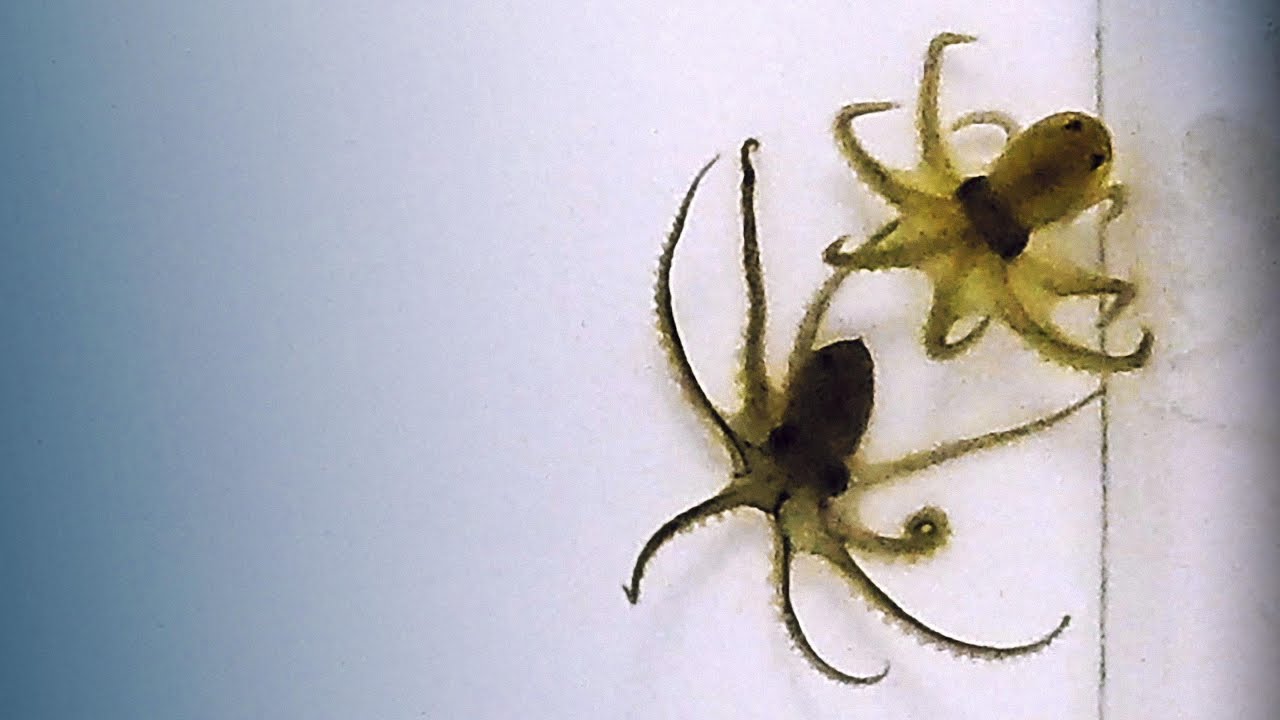
Watch science in action in this original TED series about cutting-edge neuroscience experiments on a shoestring budget.
آپ کو یہ بھی پسند آ سکتا ہے
KS1 Drama
SS 1 Mathematics
SS 1 Physics
SS 3 Physics
SS 2 Physics
Nursery Rhymes & Kids Cartoon (All!!) | Kiki and Miumiu | Baby Shark | Fire Truck | Top Playlist - Nursery Rhymes & Kids Songs by BabyBus
JS 1 Mathematics
JS 2 Mathematics
Primary 6 Mathematics
SS 3 Government
Masha & the Bear
Learn With Ms Rachel - Learn To Talk - Baby, Toddler and Preschool Learning
Songs for Kids
SSS 3 Biology
Year7 Chemistry
Preschool Videos with Ms Rachel
Learn English with PODCASTS
The Inspector
Learn English with Music
Learn To Read with Ms Rachel
KS4 Maths
Learn Colors, Numbers, Shapes and Letters with Ms Rachel
Learn English with Celebrities
Bebefinn EP51-75
تبصرے
10 تبصرے
Modern technology lets neuroscientists peer into the human brain, but can it also read minds? Armed with the device known as an electroencephalogram, or EEG, and some computing wizardry, neuroscientist Greg Gage and his colleagues attempt to peer into a subject's thoughts. On DIY Neuroscience, a TED original series, watch cutting-edge neuroscience experiments on a shoestring budget. Check out more here: https://go.ted.com/diyneuroscience Subscribe to our channel: https://www.youtube.com/TED
Modern technology lets neuroscientists peer into the human brain, but can it also read minds? Armed with the device known as an electroencephalogram, or EEG, and some computing wizardry, neuroscientist Greg Gage and his colleagues attempt to peer into a subject's thoughts. On DIY Neuroscience, a TED original series, watch cutting-edge neuroscience experiments on a shoestring budget. Check out more here: https://go.ted.com/diyneuroscience Subscribe to our channel: https://www.youtube.com/TED
Modern technology lets neuroscientists peer into the human brain, but can it also read minds? Armed with the device known as an electroencephalogram, or EEG, and some computing wizardry, neuroscientist Greg Gage and his colleagues attempt to peer into a subject's thoughts. On DIY Neuroscience, a TED original series, watch cutting-edge neuroscience experiments on a shoestring budget. Check out more here: https://go.ted.com/diyneuroscience Subscribe to our channel: https://www.youtube.com/TED
Dragonflies can catch prey with near perfect accuracy, the best among all predators. But how does something with so few neurons achieve such prowess? Neuroscientist Greg Gage and his colleagues explore how a dragonfly unerringly locks onto its preys and captures it within milliseconds using just sensors and a fake fly. On DIY Neuroscience, a TED original series, watch cutting-edge neuroscience experiments on a shoestring budget. Check out more here: https://go.ted.com/diyneuroscience Subscribe to our channel: https://www.youtube.com/TED
Dragonflies can catch prey with near perfect accuracy, the best among all predators. But how does something with so few neurons achieve such prowess? Neuroscientist Greg Gage and his colleagues explore how a dragonfly unerringly locks onto its preys and captures it within milliseconds using just sensors and a fake fly. On DIY Neuroscience, a TED original series, watch cutting-edge neuroscience experiments on a shoestring budget. Check out more here: https://go.ted.com/diyneuroscience Subscribe to our channel: https://www.youtube.com/TED
Dragonflies can catch prey with near perfect accuracy, the best among all predators. But how does something with so few neurons achieve such prowess? Neuroscientist Greg Gage and his colleagues explore how a dragonfly unerringly locks onto its preys and captures it within milliseconds using just sensors and a fake fly. On DIY Neuroscience, a TED original series, watch cutting-edge neuroscience experiments on a shoestring budget. Check out more here: https://go.ted.com/diyneuroscience Subscribe to our channel: https://www.youtube.com/TED
Dragonflies can catch prey with near perfect accuracy, the best among all predators. But how does something with so few neurons achieve such prowess? Neuroscientist Greg Gage and his colleagues explore how a dragonfly unerringly locks onto its preys and captures it within milliseconds using just sensors and a fake fly. On DIY Neuroscience, a TED original series, watch cutting-edge neuroscience experiments on a shoestring budget. Check out more here: https://go.ted.com/diyneuroscience Subscribe to our channel: https://www.youtube.com/TED
Can the mind be manipulated to love a food we loathe? The evidence from fruit flies is compelling, and perhaps surprising. Our tag team of neuroscientists attempts to change a fly's preference for fruit over vegetables simply by shining a light on their brain. On DIY Neuroscience, a TED original series, watch cutting-edge neuroscience experiments on a shoestring budget. Check out more here: https://go.ted.com/diyneuroscience Subscribe to our channel: https://www.youtube.com/TED
Can the mind be manipulated to love a food we loathe? The evidence from fruit flies is compelling, and perhaps surprising. Our tag team of neuroscientists attempts to change a fly's preference for fruit over vegetables simply by shining a light on their brain. On DIY Neuroscience, a TED original series, watch cutting-edge neuroscience experiments on a shoestring budget. Check out more here: https://go.ted.com/diyneuroscience Subscribe to our channel: https://www.youtube.com/TED
Can the mind be manipulated to love a food we loathe? The evidence from fruit flies is compelling, and perhaps surprising. Our tag team of neuroscientists attempts to change a fly's preference for fruit over vegetables simply by shining a light on their brain. On DIY Neuroscience, a TED original series, watch cutting-edge neuroscience experiments on a shoestring budget. Check out more here: https://go.ted.com/diyneuroscience Subscribe to our channel: https://www.youtube.com/TED