
Unit 2: Algorithms Unit 3: Programming Unit 4: Data representation
قد يعجبك أيضًا
Kids Songs by CoComelon
CoComelon
Alphabet (ABC) Songs by CoComelon
Learn English With Disney Movies
CoComelon - Happy Holidays
Educational Videos for Children - Lingokids
BabyBus | Learning Vehicles Song | Car Songs | Cars for Kids | Nursery Rhymes | Baby Cartoon
The Original CoComelon Alphabet Series
CoComelon For Journeys
Masha and the Bear 📱 Shorts!
ABC Songs for Kids - CoComelon Nursery Rhymes
CoComelon Dance Party | Dance Along & Kids Songs
English lessons for kids - My English teacher
Primary 2 English
Nursery Rhymes by CoComelon
Primary 2 Mathematics
English Fairy Tales @EnglishFairyTales
Baby Learning with CoComelon - Colors, Shapes and Numbers!
Learn Colors with CoComelon!
SS 1 English
JJ & Friends by CoComelon
Animation & Kids Songs collections For Babies | BabyBus
Year1 English
CoComelon & Friends Holiday and Christmas Videos for Kids | Little Baby Bum | Go Buster and More!
التعليقات
6 تعليق
Computers use binary to process data. There are simple techniques to convert between binary and denary and to add two binary numbers together.
When designing programs, there may be some instructions that need repeating. This is known as iteration, and is implemented in programming using FOR and WHILE statements.
When designing programs, there are often points where a decision must be made. This decision is known as selection, and is implemented in programming using IF statements.
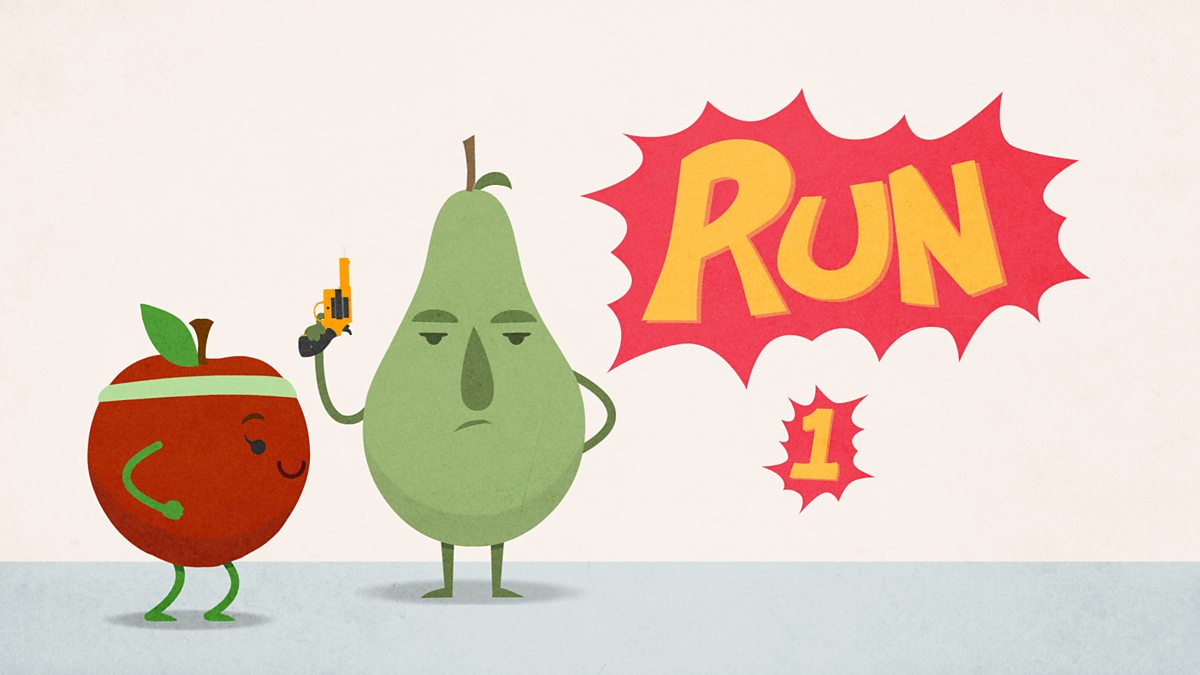
When designing algorithms, there may be some steps that need repeating. This is known as iteration, and can be displayed in pseudocode or flowcharts.
When designing algorithms, there are many steps where decisions must be made. This decision is known as selection, and can be displayed in pseudocode or flowcharts.
When designing algorithms, it is important to make sure that all the steps are presented in the correct order. This is known as sequencing, and can be displayed in pseudocode or flowcharts.