
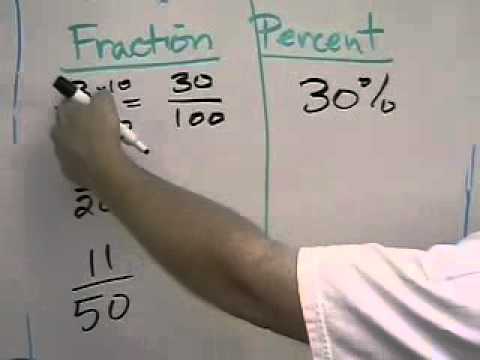
This is a very short video tutorial for learning how to change a fraction into a percent. Duane Habecker
قد يعجبك أيضًا
English learning videos for kids - Lingokids
CoComelon Lane! Brand New Netflix Kids Show!
Halloween Songs For Kids - CoComelon
Year7 German
Kids Songs by CoComelon
CoComelon
Alphabet (ABC) Songs by CoComelon
CocoMelon | Little Baby Bum | Blippi - Nursery Rhymes & Kids TV Shows
PrePrimary Maths
Year1 Maths
Year 11 Math
Year5 Maths
Year 10 Math
Year6 Maths
Maths
3rd Grade Math
Counting Songs for Kids
Statistics 2-Test Prep -24-WASSCE-Type Questions 1
Équations et inéquations TC
Numbers - Describing Numbers - 8 - Identifying Even Numbers
Year2 Maths
Year4 Maths
Year3 Maths
Year 1 Math
التعليقات
10 تعليق
Use a tape diagram to convert a fraction to a percent. #math #TapeDiagram #TapeDiagramTuesday
Use a tape diagram to convert a fraction to a percent. #math #TapeDiagram #TapeDiagramTuesday
What is the new price for a shirt that normally costs $18.50, but is now on sale for 20% OFF? We use tape diagrams and tables to make sense of percent decrease problems.
What is the new price for a shirt that normally costs $18.50, but is now on sale for 20% OFF? We use tape diagrams and tables to make sense of percent decrease problems.
18.5 is increased by 20%. We use tape diagrams and tables to make sense of percent increase problems.
18.5 is increased by 20%. We use tape diagrams and tables to make sense of percent increase problems.
60% of 40 is what number? We use tape diagrams and tables to make sense of this problem.
60% of 40 is what number? We use tape diagrams and tables to make sense of this problem.
9 out of 15 is what percent? We will use a tape diagram and a table to make sense of this problem!
9 out of 15 is what percent? We will use a tape diagram and a table to make sense of this problem!